
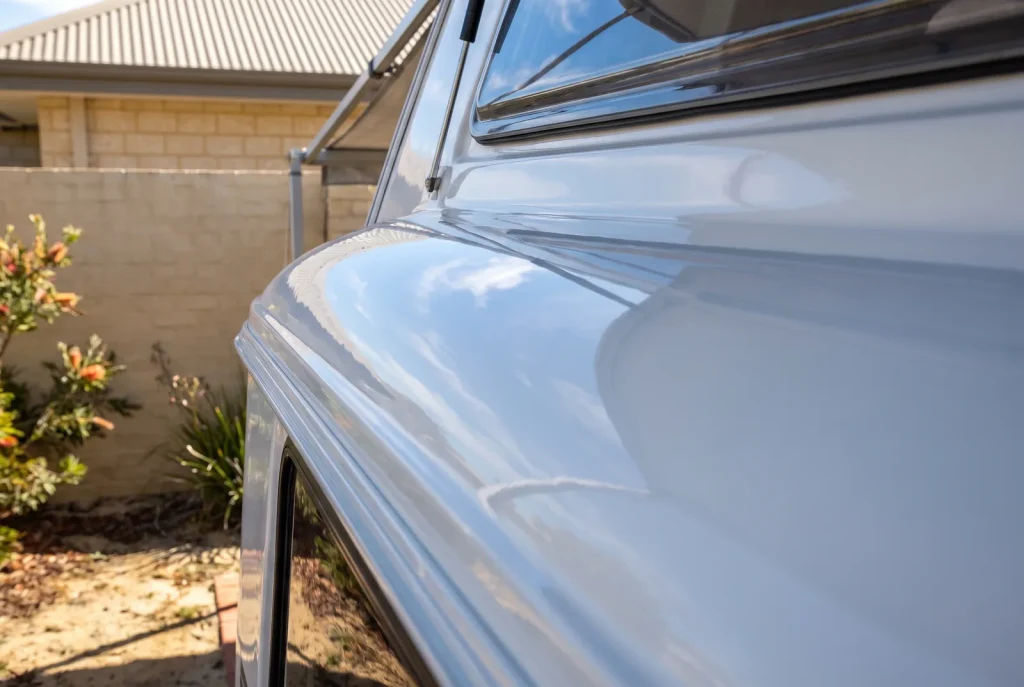
Most caravan owners only notice exterior damage once it’s already advanced – a dull, chalky patch that won’t buff out, a hazy panel that used to shine, or corrosion creeping along an aluminium seam. The frustrating part is that none of this happens overnight. Exterior ageing is cumulative and largely invisible until it crosses a threshold, which is exactly why the caravan detailing experts Perth owners rely on at Nomad Caravan Detailing see the same pattern again and again. Damage doesn’t arrive; it accumulates.
Treating the exterior as a long-term asset – rather than something you clean when it looks dirty – is what separates a van that ages gracefully from one that fades a decade early.
Prefer to watch or listen?
Listen onApple Podcasts
How Exterior Degradation Actually Accumulates
Three forces work on your caravan’s outer surface every single day it’s exposed, and they layer on top of each other over time.
UV radiation breaks down the resins and pigments in gelcoat and paint, causing oxidation and fading. Salt air, common right along the WA coast, draws moisture and accelerates corrosion on metal fittings and aluminium panels. Abrasive road grime and dust act like fine sandpaper, wearing down protective surfaces and creating micro-scratches that let the other two forces bite deeper.
No single day does obvious harm. But a year of daily UV, a few coastal trips and a run through outback dust compound into measurable surface decline. By the time chalking or corrosion is visible, the underlying surface has often been degrading for months or years.
Why Different Materials Age Differently
A caravan exterior is rarely one material, and each responds to WA conditions in its own way.
- Fibreglass and gelcoat tend to oxidise and “chalk” – the surface goes dull and leaves a powdery residue when wiped. Left unchecked, the gelcoat thins and loses its protective role.
- Aluminium panels oxidise differently, developing a dull grey film and, near the coast, pitting and corrosion where salt lingers.
- Painted panels fade and lose gloss as UV attacks the clear coat, and once that clear coat fails, the colour beneath deteriorates quickly.
Because the ageing mechanisms differ, the handling differs too. Aggressive treatment that suits an oxidised gelcoat can damage a painted clear coat. Knowing what you’re working with is the first step in preserving it.
The Compounding Cost of Neglect
Skipping maintenance rarely feels expensive in the moment. The cost is deferred – and it compounds.
A lightly oxidised surface can often be restored. A deeply oxidised one may need far more intensive correction, and once oxidation eats through gelcoat or corrosion establishes on aluminium, the damage becomes permanent. The same logic applies to seals and roof surfaces, where small failures cascade into larger problems, as we covered in our guide to preventing premature seal and roof damage.
Consistent surface maintenance across the van’s service life is almost always less effort and less cost than periodic rescue jobs – and it keeps the exterior looking and performing far closer to new.
Building a Long-Term Protection Strategy
Longevity isn’t one task. It’s a layered system that works together over years.
- Routine cleaning cadence. Regular, correct washing removes salt, dust and grime before they can abrade or corrode. This is the foundation everything else sits on.
- Oxidation removal. When chalking or dullness appears, treating it early keeps the surface intact rather than letting it thin.
- Cut and polish. Correcting surface defects and restoring gloss removes the micro-scratches that hold contaminants and dull the finish.
- Ceramic coating. A durable barrier over a properly prepared surface makes cleaning easier and slows the daily assault of UV, salt and grime.
Each layer supports the next. A ceramic coating over neglected, oxidised gelcoat locks in the problem; the same coating over a corrected, clean surface protects it for years.
Reading the Early Warning Signs
The best time to act is before permanent damage forms. A few things worth watching for on your own exterior:
- A faint chalky residue on a cloth after wiping a panel – early oxidation.
- Loss of gloss or a cloudy, hazy look where the surface used to reflect clearly.
- Water no longer beading and sheeting off, which suggests protection has worn thin.
- Grey filming or small pitting on aluminium, particularly after coastal trips.
- Colour fade or a matte patch on painted sections exposed to the most sun.
Catching any of these early usually means minor correction. Ignoring them tends to mean major work later.
WA-Specific Pressures on Your Exterior
Western Australia is uniquely demanding on caravan surfaces. Coastal salt air corrodes metal and speeds oxidation wherever vans travel or are stored near the ocean. The intensity of the WA sun drives UV degradation harder and faster than milder climates. And outback dust is both abrasive and relentless, working into panels and grinding at protective layers on every red-dirt run.
These pressures rarely act alone. A single trip north might expose a van to coastal salt, hours of harsh sun and hundreds of kilometres of dust in the same week. That combination is why exteriors age so quickly here – and why a protection strategy built for WA conditions matters.
Treating the Exterior as a Long-Term Asset
Extending your caravan’s exterior lifespan isn’t a single job you tick off. It’s a sustained combination of consistent maintenance and professional protection, tailored to the conditions your van actually faces on WA roads and coastlines.
Owners who take this view protect two things at once: the resale value of the van, and its readiness for the next trip. If you’d like a clear picture of where your exterior stands and how best to protect it, have the team at Nomad Caravan Detailing assess and protect your van’s exterior before minor wear becomes permanent.